
Canadian Prairie Dinner Buns: Incredibly Soft, Fluffy, and Simply the Best Dinner Buns!
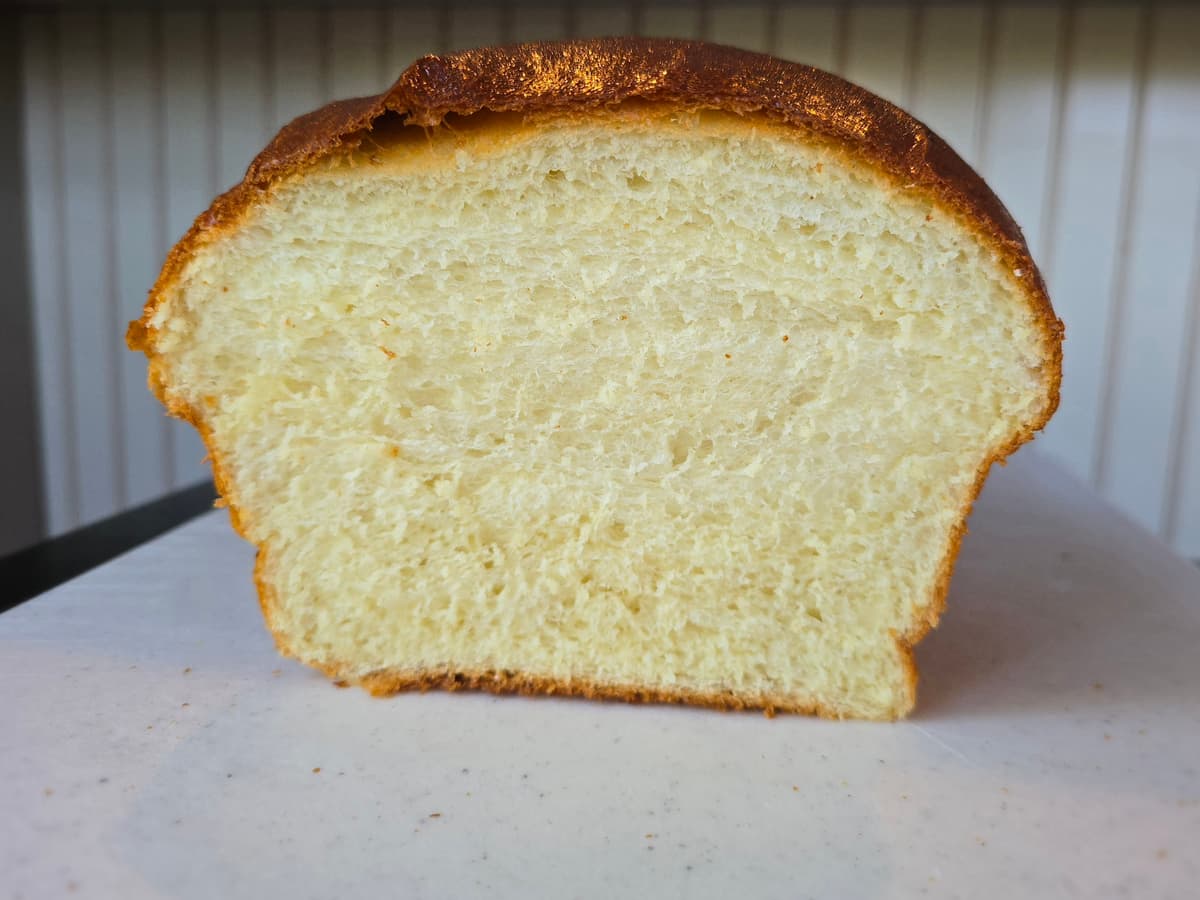
There's something so inviting about a dinner table with a basket full of warm, soft buns, and these Canadian Prairie Dinner Buns are the ultimate showstopper. This modern take on a traditional recipe
There's something so inviting about a dinner table with a basket full of warm, soft buns, and these Canadian Prairie Dinner Buns are the ultimate showstopper. This modern take on a traditional recipe has roots in old Canadian prairie kitchens, where bakers perfected the art of making hearty, comforting bread with simple ingredients. With a few scientific twists and modern techniques, we've turned this age-old recipe into a masterpiece of soft, pillowy goodness.
Ingredients
- 1 heaping tablespoon instant yeast
- 1/2 cup warm milk (115°F)
- 1 tablespoon granulated sugar
- 1/4 cup unsalted butter, room temperature
- 1 teaspoon fine salt
- 1/3 cup granulated sugar
- 1 large egg, at room temperature
- 2 cups warm milk (120–125°F)
- 5 to 5½ cups all-purpose flour, divided
- 1 tablespoon cream
Instructions
- 1
Activate the yeast: In a small bowl, combine 1/2 cup (120ml) of warm milk (115°F/46°C) with 1 tbsp (15ml) sugar and yeast. Let it sit for about 10 minutes until it becomes foamy. It's technically not necessary with instant yeast, but I like giving it a head start.
- 2
Combine wet ingredients: In the bowl of a mixer, add the softened butter, salt, 1/3 cup (67g) sugar, and egg. Beat them together with a paddle attachment until well combined.
- 3
Incorporate warm milk: Gradually pour in 2 cups (480ml) of warm milk (120–125°F/49–52°C) and whisk together with the wet ingredients until smooth. Be cautious not to scramble the egg by adding the warm milk slowly while continuously whisking. The reason for using milk at this temperature is that by the time the yeast mixture is added, the combined dough temperature will settle at around 115°F (46°C), which is ideal for the yeast to thrive.
- 4
Form the dough base: Gradually add 3 cups (375g) of flour, one cup at a time, mixing with a stand mixer fitted with a paddle attachment. Continue until the batter is smooth and forms ribbons that rest briefly on the surface when spooned back into the bowl.
- 5
Add yeast mixture: Stir in the proofed yeast mixture. Mix gently on low speed to incorporate the yeast evenly into the dough, being careful not to damage the yeast as it's a living organism.
- 6
Add and knead flour by hand: Remove the bowl from the mixer. Using a large spoon, gradually fold in the remaining 2 to 2½ cups (250–312g) of flour until a sticky dough ball forms. Transfer the dough onto a lightly floured surface, being careful not to add too much flour, which could result in dry buns.
- 7
Knead the dough: [Text appears cut off in source material]
FAQ
Did you try this recipe?
Leave a star rating — it helps other cooks find it!
Comments



Looking for more? Explore the full collection — filter by lifestyle, cuisine, or dietary needs.