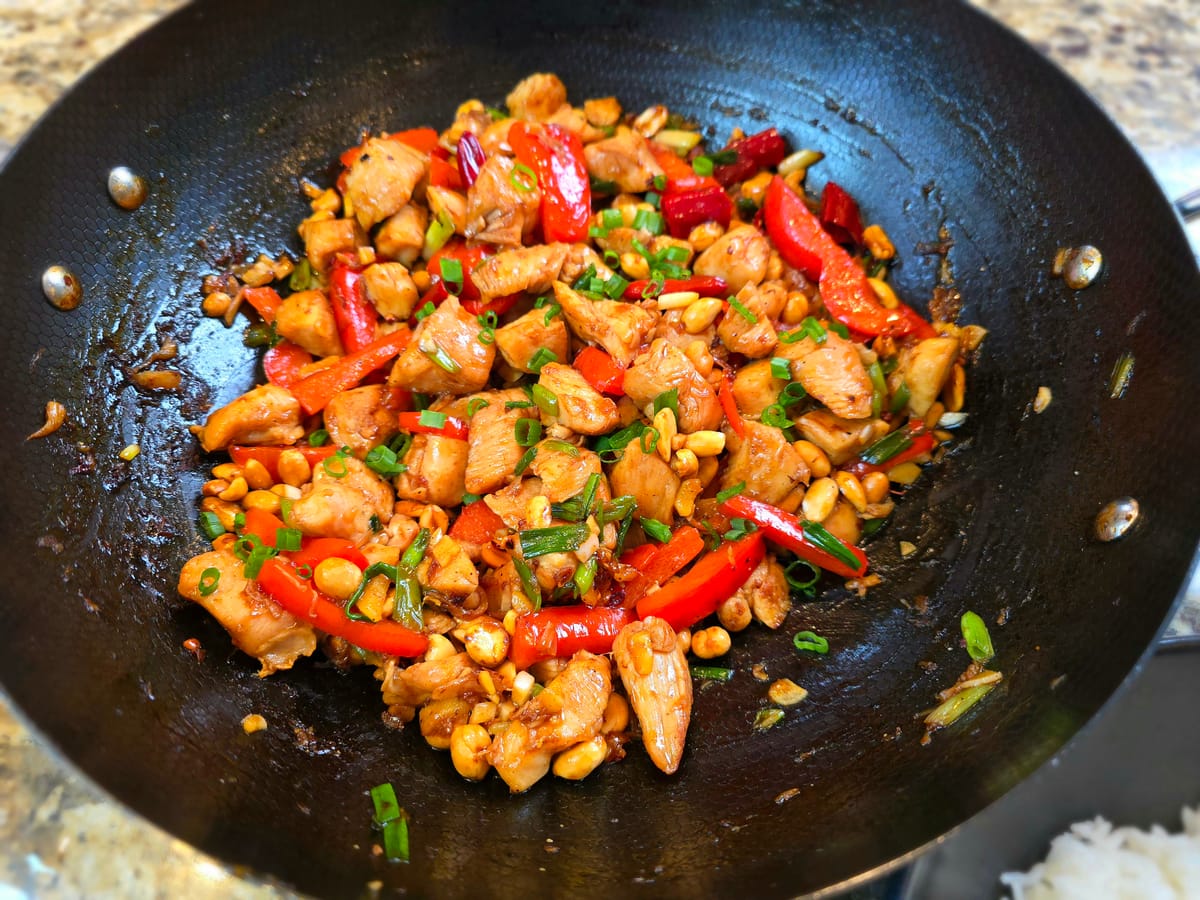
The Ultimate Chinese Stir-Fry Guide: Foolproof Formula for Perfect Weeknight Dinners
Mastering stir-fry at home doesn't require a wok burner or a professional kitchen—just a solid formula. This Stir-Fry Guide is built to be flexible, fast, and packed with flavor. Whether you're using
Mastering stir-fry at home doesn't require a wok burner or a professional kitchen—just a solid formula. This Stir-Fry Guide is built to be flexible, fast, and packed with flavour. Whether you're using chicken, beef, tofu, or shrimp, this method teaches you how to marinate, sauce, and stir-fry with confidence.
The key is a two-part formula: a tenderizing marinade for your protein and a versatile stir-fry sauce that can be scaled depending on your vegetable mix. Everything from texture to flavour balance is thought through—so whether you're making a simple chicken and broccoli stir-fry or loading up a wok with your favourite vegetables, this formula works every time.
Ingredients
- MARINADE
- 1 1/4 tsp light soy sauce
- 1/4 tsp dark soy sauce
- 1 tsp Shaoxing wine
- 1/2 tsp kosher salt
- 1/2 tsp sugar
- 1/2–1 tsp cornstarch (1/2 tsp for thighs or tender cuts; 1 tsp for breast, loin, or flank)
- 1/4–1/2 tsp baking soda (1/4 tsp for thighs or tender cuts; 1/2 tsp for breast, loin, or flank)
- Pinch white pepper
- 1 tsp neutral oil (peanut, canola, or grapeseed—no sesame oil here)
- SAUCE
- 1 tbsp light soy sauce
- 2 tsp dark soy sauce
- 1 tbsp Shaoxing wine
- 2 tsp rice vinegar
- 2–3 tsp sugar (adjust if using hoisin; honey can also be used)
- 2 tsp cornstarch + 1 tbsp water (for thickening; add 30–60 seconds after the meat is sauced and cooked until thickened)
- 1 tsp sesame oil (drizzle over the stir-fry after removing from heat or just before serving)
- Optional Sauce Additions
- 1–2 tsp oyster sauce (adds savoury, umami depth and glossiness, especially with beef, mushrooms, or broccoli)
- 1–2 tsp hoisin sauce (sweet, fragrant, more assertive; thicker and more complex than oyster sauce; ideal for dishes like kung pao, lettuce wraps, or tofu)
- Sauce Variations
- Get creative! Increase the vinegar to 1 tbsp sometimes, change it to half balsamic vinegar or Chinkiang vinegar, or try using honey instead of sugar.
- AROMATICS & GARNISHES
- 3 tbsp neutral oil
- 4 garlic cloves, thinly sliced or pressed
- 1-inch piece of ginger, sliced, minced, or cut into matchsticks
- 6 scallions, white/pale green and green parts separated
- 1/2 cup roasted peanuts or other nuts
- 1/4–1/2 tsp hot red pepper flakes or dried red chiles, roughly chopped (6–12 of them)
- 1/2–1 tsp Sichuan peppercorns
- 6–8 dried Chinese chiles (such as árbol or Sichuan), halved with most seeds removed
- VEGETABLES
- 1 small zucchini, cut into 1/2-inch dice
- 1 medium bell pepper, cut into 1/2-inch dice
- 1.5 cups broccoli or broccolini, cut into bite-sized florets
- Onions, cut into segments
- Cabbage (or a few cups of coleslaw mix)
Instructions
- 1
Place the meat in a medium bowl and add the marinade ingredients. Some cuts benefit from baking soda, but it can be skipped if desired. Stir aggressively with a utensil or your fingers. Marinate for 20–30 minutes. You can prepare this step in advance and keep it in the refrigerator for a couple of hours.
- 2
Prepare the rest of your ingredients: measure everything, chop the vegetables and garnishes, mix the stir-fry sauce ingredients (leaving sesame oil out as you will drizzle it at the end), and mix the cornstarch slurry. Have your rice and serving bowls ready.
- 3
Dry-toast your peanuts or cashews in the dry, very hot wok before adding oil or starting your stir-fry—just 1–2 minutes over medium heat. Stir constantly until golden and fragrant. Remove and set aside, then begin your stir-fry as usual.
- 4
Heat the wok over high heat for a couple of minutes until steaming hot. Add 1 tablespoon (15ml) of neutral oil.
- 5
If using firm vegetables (e.g., peppers, onions), add them now and stir-fry for about 1 minute until tender-crisp. You may need to cook vegetables in 1–3 batches. Remove them to a plate and set aside.
- 6
Wipe out the wok if needed, and heat another 1–2 tablespoons (15–30ml) of oil over high heat.
- 7
Stir-fry the chicken. Add it to the wok, let it sear for 1 minute, then stir-fry for another 2–4 minutes depending on thickness. It should be mostly cooked. In most home kitchens, unless you have a high-BTU wok burner and your wok is perfectly seasoned, your wok may not be hot enough and some sticking may happen. If it does, use some Shaoxing wine or water to deglaze the pan and scrape up any bits that are stuck and threaten to burn.
- 8
Now reduce to medium or medium-high heat when adding garlic, ginger, dried chilies, and Sichuan peppercorns (to avoid burning), and when cooking delicate ingredients like scallions, mushrooms, or leafy greens. Also reduce heat when adding sauces (this prevents caramelization or burning). Make a well in the middle and add the ginger, garlic, and chiles, stirring and cooking them for 5–10 seconds until aromatic, then toss everything well to combine them with the vegetables.
- 9
Add the white and pale green scallion parts and your pre-toasted nuts (e.g., peanuts from step 3) and cook for another 30 seconds.
- 10
Return the reserved vegetables and toss to combine. Cook for 30 seconds or until the chicken is mostly cooked through.
- 11
Add your sauce and toss to coat. Stir in the cornstarch slurry gradually, using only what is needed to thicken the sauce. Adjust with more water if needed. Once the sauce is glossy and thickened and everything is cooked through, remove from heat. Stir in your sesame oil at this time.
- 12
Garnish with green scallion tops or chopped nuts. Serve immediately over rice. Enjoy!
FAQ
Did you try this recipe?
Leave a star rating — it helps other cooks find it!
Comments


Looking for more? Explore the full collection — filter by lifestyle, cuisine, or dietary needs.